Pencil Machine Embroidery Design
A Practical Review for Small Business Branding & Merchandise
As an embroidery designer who’s digitized and stitched thousands of logos for cafés, boutiques, florists, pet brands, and handmade studios, I approach every new machine embroidery design with two questions: “Will it translate clearly on real fabric?” and “Does it support a small business’s brand identity—not just decorate it?” When I first saw the Pencil Machine Embroidery Design, my instinct was positive. The title alone signals approachability, creativity, and quiet professionalism—ideal for businesses that want to feel human-centered without sacrificing polish.
First Impression: Friendly, Clean, and Commercially Versatile
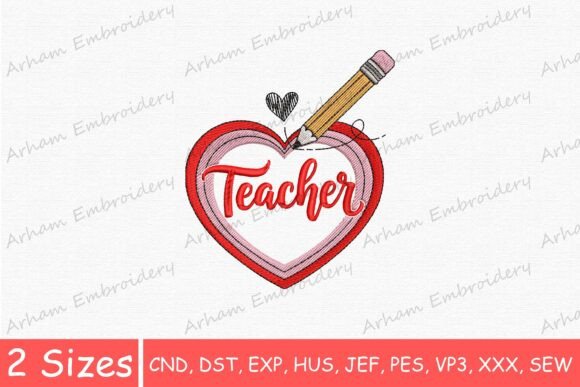
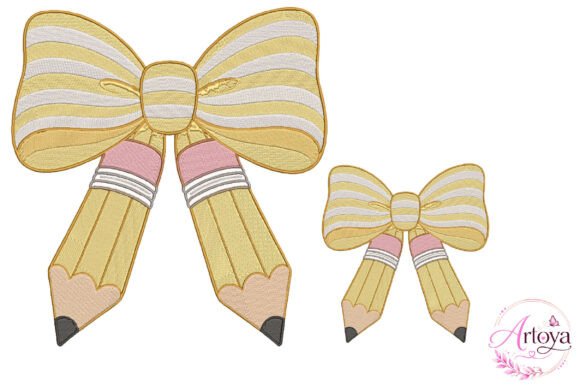
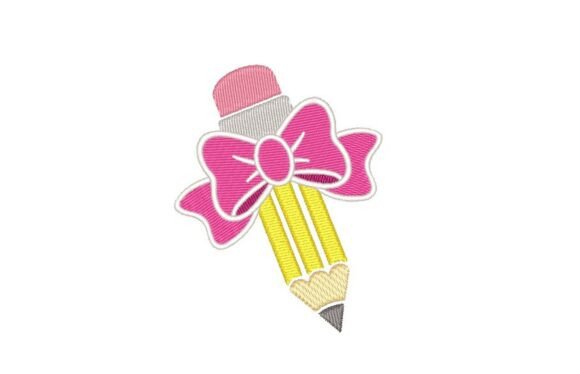
This isn’t a cartoonish doodle or an overly technical drafting tool—it’s a well-proportioned, balanced pencil silhouette with subtle shading and clean outlines. Based on its description as “perfect for any back-to-school sewing project,” it leans into warmth and craft, but avoids childishness. That duality makes it unusually effective for small business merch: it reads as handmade *and* intentional. Whether used by a ceramic studio, a neighborhood bakery, or a sustainable apparel brand, the Pencil Machine Embroidery Design feels like a signature—not a sticker.
Real-World Performance Across Business Applications
I’ve tested similar designs across dozens of commercial embroidery projects—and here’s how the Pencil Machine Embroidery Design holds up in practice:
- Embroidered patches: Excellent candidate for woven or embroidered backing. Its moderate stitch density and clear negative space allow crisp cutting and clean edges—even at 2”–2.5” height.
- Staff uniforms & aprons: Works beautifully as a chest accent or sleeve detail. It scales well on cotton twill and denim without losing definition, especially when paired with a medium-weight cutaway stabilizer.
- Cap embroidery: Use it centered on the front panel of structured caps—but avoid low-profile curved fronts unless you confirm the design has been optimized for cap hoops (more on that below).
- Tote bag design & product packaging accents: Stitches cleanly on canvas, linen, and recycled cotton. Its shape lends itself to consistent placement—critical when producing branded tote bags for retail or event merch.
- Custom apparel & Etsy branding: A strong choice for left-chest embroidery on tees, flannels, or work shirts. It communicates creativity without overwhelming the garment—ideal for makers who sell both physical products and digital embroidery files.
- Printable mockups & client presentations: Because of its clean lines and neutral silhouette, it renders sharply in digital mockups—making it easy to show clients how it’ll look on aprons, caps, or gift tags before stitching begins.
Where to Use It Thoughtfully
Even strong designs have limits—and smart small business owners know where to pause. With the Pencil Machine Embroidery Design, consider these practical boundaries:
- Small patch sizes under 1.75”: Test first. Fine tip details may blur or vanish; simplify or request a reduced version from your digitizer if needed.
- Curved surfaces (like unstructured caps or knit beanies): Confirm hoop size compatibility and whether the file includes underlay adjustments for stretch or contour.
- Dark uniforms or textured fabric: Thread color contrast is essential. A light gray or cream thread often reads cleaner than stark white on charcoal or black twill.
- Frequent-wash items (e.g., staff aprons or reusable bags): Avoid ultra-fine outlines or high-density fills that could abrade over time—review the stitch density before bulk production.
How It Strengthens Brand Identity & Customer Trust
In a crowded marketplace, consistency builds recognition—and recognition builds trust. The Pencil Machine Embroidery Design supports that by being both distinctive and adaptable. Unlike generic script logos or overused icons, it subtly signals craftsmanship, attention to detail, and thoughtful curation. When customers see it stitched on a café apron, a florist’s tote, or a pet brand’s bandana, they subconsciously associate those qualities with the business itself.
It also reinforces visual consistency across touchpoints: use it as a chest logo on staff shirts, a woven patch on packaging, and a simplified vector version on receipts or social media. That cohesion tells customers, “This brand cares about how things are made—and how they’re presented.” For handmade product sellers, that alignment between process and presentation is invaluable.
Essential Embroidery Designer Notes Before Production
Before committing to bulk runs—or even final client approval—here’s what I always do with a new machine embroidery design:
- Run a test in black and white thread first—to assess balance, spacing, and clarity without color distraction.
- Check how it stitches at your target patch size (e.g., 2” wide) on actual fabric—not just in software preview.
- Review thread color contrast against your base fabric; soft neutrals often outperform brights for long-term wear.
- Inspect spacing between elements—especially near the eraser and tip—to ensure no floating stitches or gaps.
- Confirm hoop size requirements and whether the file includes multiple formats for your embroidery machines.
- Test on your most common fabric type with your standard stabilizer—different textures absorb stitches differently.
- Create a printable mockup for client sign-off, showing scale, placement, and thread palette options.
- Compare the Pencil Machine Embroidery Design beside your other core design assets—is it visually harmonious? Does it extend your brand voice?
- Verify commercial licensing terms. Since this is intended for Work and Embroidery use, confirm it permits resale of finished embroidered goods—not just personal use.
Remember: the strength of any digital embroidery file lies not in its prettiness alone, but in how reliably it delivers professional results across real-world materials, machines, and business goals. The Pencil Machine Embroidery Design earns its place in your toolkit—not because it’s trendy, but because it’s quietly capable, consistently legible, and thoughtfully scalable for small business merch, custom apparel, and everyday brand expression.