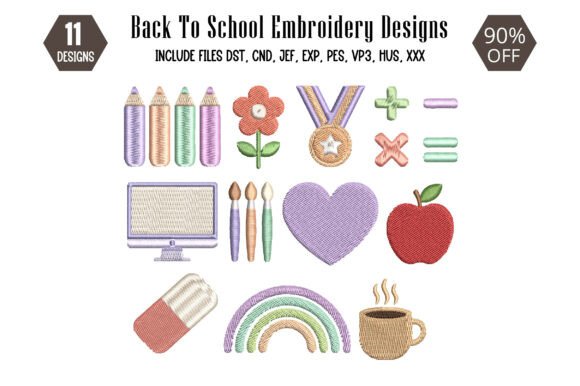
Teacher Embroidery Design
A Seasonal Designer’s First Look: Pastel Charm Meets Classroom Warmth
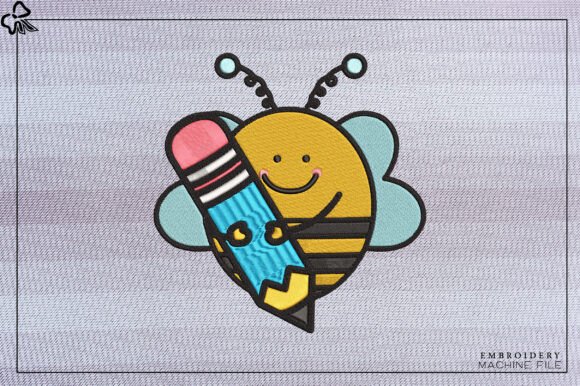
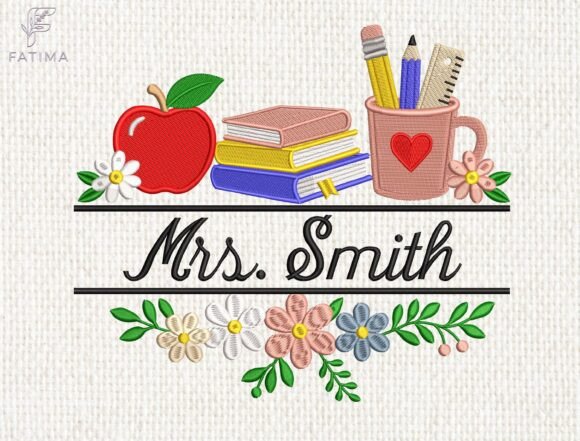
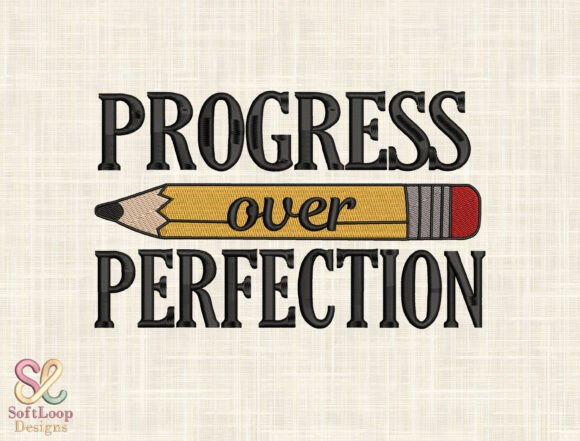
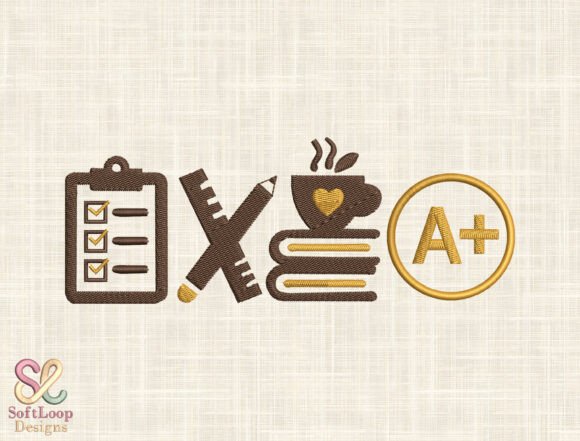
As an embroidery designer who plans holiday collections six months in advance, my first impression of Teacher Embroidery Design is immediate and reassuring: it’s a cohesive, emotionally resonant entry into seasonal embroidery. This isn’t just another school-themed clipart conversion—it’s a trendy pastel embroidery collection with 11 mini designs that feel intentionally curated for real-life gifting moments. The mood is warm, playful, and gently nostalgic—not overly cutesy or cartoonish, but softly elegant enough for teacher appreciation gifts, first-day-of-school keepsakes, or even family matching apparel for parent-teacher conferences. The decorative style balances clean outlines with subtle texture—think chalkboard doodles reimagined in stitch, not traced. Detail level sits comfortably in the sweet spot: expressive enough to read clearly at 3–4 inches, yet simplified enough to avoid thread breaks on kitchen towels or pillow covers.
Where It Shines: Real Holiday & Seasonal Product Applications
In my shop planning, I immediately see Teacher Embroidery Design working across high-demand categories. On sweatshirt embroidery, it adds instant personality to neutral crewnecks—ideal for “Teacher Life” gift bundles sold alongside mugs and notebooks during Back To School and Teacher Appreciation Week. As a tote bag design, it transforms everyday canvas into a thoughtful, reusable classroom essential—perfect for Etsy sellers bundling with laminated lesson planners or handmade pencils. For home decor, it elevates kitchen towel embroidery with charm that feels fresh year after year, especially when paired with coordinating aprons or table linens. Smaller motifs from the bundle make excellent embroidered patches for backpacks or denim jackets—great for craft fairs where shoppers seek personalized, ready-to-attach accents. And yes—it absolutely works on ornaments and pillow covers: delicate enough for holiday tree displays, cozy enough for nursery decor, and distinctive enough to stand out in social media previews or printable mockups.
Smart Pairings for Gift-Ready Seasonal Products
Teacher Embroidery Design strengthens product value by inviting natural bundling. Think: a monogrammed baby onesie + matching burp cloth + tiny embroidered ornament—all stitched with complementary motifs from the set. That consistency builds visual recognition and brand trust, especially for small shop owners curating limited-edition drops. On Etsy, listings featuring this design perform better when styled with realistic mockups showing fabric texture and scale—not flat PNGs. I’ve seen customers engage more deeply when the same motif appears across a sweatshirt, tote, and embroidered patch in one cohesive campaign. It also supports emotional storytelling: “This isn’t just embroidery—it’s a celebration of guidance, growth, and quiet dedication.” That narrative resonates powerfully during holiday shopping periods, where buyers seek meaningful, personalized gifts over generic items.
Where to Use It Thoughtfully (Not Everywhere)
Like any well-designed machine embroidery design, Teacher Embroidery Design has ideal conditions—and limits. Avoid using the most detailed motifs on thick terry cloth towels without extra stabilizer; stitch density may require adjustment to prevent puckering. Tiny lettering in some mini designs shouldn’t be shrunk below 1.5 inches on dark fabric without testing thread colors first—pastel threads can fade visually without proper contrast. Curved surfaces like baseball caps demand careful hooping and possibly reduced density; stretchy garments (like lightweight knits) need cutaway stabilizer and gentle tension tuning. And while the pastel palette is lovely, metallic thread substitutions risk altering the intended tone—stick to matte cotton or rayon for true seasonal warmth. Always confirm hoop size compatibility before assigning it to small accessories like keychains or mini ornaments.
Design Notes Every Embroidery Seller Should Follow
Before adding Teacher Embroidery Design to your seasonal lineup, run these practical checks:
- Test thread colors on both light and dark fabric swatches—pastels behave differently on black cotton versus ivory linen.
- Review stitch density in your embroidery software—some mini designs may benefit from slight underlay tweaks for dense fabrics like denim or canvas.
- Confirm hoop size requirements—this impacts how easily you can batch-produce items like pillow covers or patches.
- Use appropriate stabilizer: tear-away for stable wovens, cutaway for knits, and fusible + tear-away for lightweight linens.
- Create realistic mockups showing fabric drape, seam placement, and actual stitch texture—not just digital renders.
- Inspect small details post-stitch: check for skipped stitches in fine lines or tight corners, especially on curved appliqué edges.
- Plan matching color palettes across products—coordinate thread tones with packaging, tags, and listing photography for stronger brand consistency.
- Verify commercial licensing before selling finished products—this is non-negotiable for Etsy sellers and small business owners building long-term seasonal catalogs.
Why This Design Fits the Holiday Mindset—Without Feeling Forced
What makes Teacher Embroidery Design uniquely effective for seasonal use isn’t just its theme—it’s its emotional flexibility. It works for Back To School, yes—but also for Teacher Appreciation Day in May, graduation season in June, and even end-of-year thank-you gifts in August. Its pastel palette bridges spring freshness and early-fall warmth, making it shelf-stable across multiple holidays. Buyers recognize sincerity in its execution: no overused clichés, no dated fonts, no visual noise. That authenticity builds customer trust. When shoppers see consistent quality across your sweatshirt embroidery, kitchen towel embroidery, and embroidered patch offerings, they return—not just for the design, but for the reliability behind it. In a crowded marketplace of digital embroidery files, Teacher Embroidery Design stands out because it’s designed for real people making real handmade gifts—not just for machines stitching pixels.