Machine Embroidery Apple
A Designer’s First Look: Clean, Confident, and Classroom-Ready
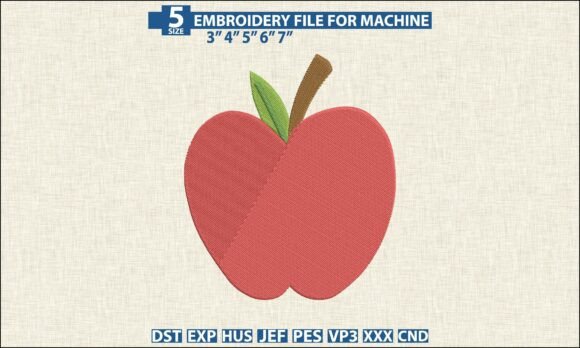
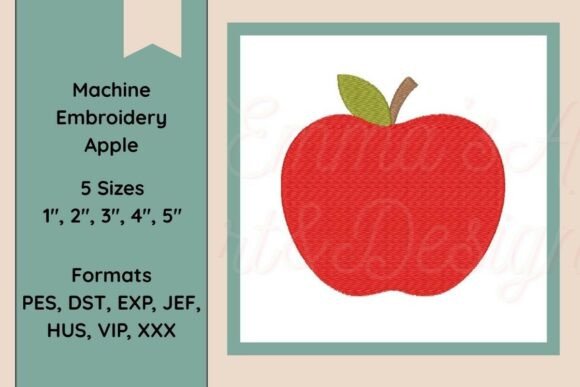
When I opened the Machine Embroidery Apple file for the first time, what struck me wasn’t just the cheerful red-and-green palette—it was how instantly *readable* it felt. No visual clutter. No overworked stems or fussy leaf veins. Just a balanced, slightly stylized apple shape with confident curves, a subtle highlight, and a clean stem placement that nods to tradition without leaning into cliché. It’s got that quiet professionalism you want in a Back To School embroidery file—friendly enough for a kindergarten tote, polished enough for a teacher’s apron or boutique sweatshirt.
Real Project Test: A Teacher-Themed Tote Bag That Actually Sells
Last week, I stitched the Machine Embroidery Apple onto a natural canvas tote for a local educator who sells handmade classroom supplies at craft fairs. We used medium-weight tear-away stabilizer, 40-weight cotton thread, and a 4-inch hoop. The result? Crisp satin-stitched edges on the apple skin, smooth fill stitch in the leaf, and no puckering—even across the slight curve of the bag’s side panel. Customers paused. Smiled. Asked where she got the design. That’s the quiet power of a well-executed machine embroidery design: it doesn’t shout, but it builds trust.
Where This Apple Truly Shines (and Where It Needs Care)
The Machine Embroidery Apple excels in projects where clarity and charm matter more than complexity:
- Custom apparel: Works beautifully on crewneck sweatshirts and relaxed-fit tees—especially when placed left-chest or centered on the back.
- Embroidered patch: Clean outlines and moderate stitch density make it ideal for iron-on or sew-on patches on backpacks or denim jackets.
- Baby embroidery: Its soft proportions and lack of tiny details mean it stitches cleanly on onesies and burp cloths—even with lightweight cutaway stabilizer.
- Tote bag design and kitchen towel applications benefit from its strong silhouette and generous negative space around the stem.
- Holiday embroidery and wedding gifts for educators? Yes—pair it with simple monogramming or a “Thank You” script in a complementary font for instant warmth.
Watch These Details Before You Stitch
This isn’t a “set and forget” file—and that’s a good thing. A thoughtful embroidery file invites attention, not automation. Here’s what I check every time:
- Hoop size and placement: The design fits comfortably in a 4x4 hoop, but if you’re stitching near seams or curved areas (like a cap front), confirm clearance before hooping.
- Stitch density: Moderate—not too sparse, not overly dense. That means it holds up well on medium-weight fabrics, but test on textured fabrics like terry cloth or bouclé before committing to a full run.
- Fabric texture and stability: Avoid using it on highly stretchy knits without proper cutaway stabilizer. On thin fabrics like voile or baby rib, add a light tear-away + wash-away combo to prevent shadowing.
- Thread colors: The default green stem and red apple pop on cream or light gray—but on dark fabric, switch to high-contrast thread (e.g., lime green stem, bright scarlet apple) and verify visibility in your printable mockup.
- Small details: The highlight on the apple is subtle but effective. If you’re scaling down below 3 inches wide, inspect the highlight area in your embroidery software—it should remain legible, not merge into the fill.
For Etsy Sellers and Small Shop Owners: What This Design Adds to Your Brand
As an Etsy seller, I’ve learned customers don’t just buy an apple—they buy intention. The Machine Embroidery Apple signals care: in proportion, in balance, in school-themed authenticity. When paired with a clean label (“Hand-Embroidered by [Your Shop]”) on a finished product, it elevates perceived value without requiring extra labor. It also scales well across product types—a single design becomes a cohesive craft business collection: embroidered tea towels, matching pillow covers for a nursery, even vinyl-and-embroidery hybrid caps.
But here’s the honest part: it won’t carry your entire shop. It’s a strong supporting player—not a standalone hero. Use it as part of a seasonal Back To School bundle (with pencil, book, or chalkboard motifs), or layer it thoughtfully behind monogrammed initials on a personalized gift. That kind of restraint is what makes handmade products feel intentional, not algorithmic.
Design Assets That Earn Their Place in Your Library
I keep the Machine Embroidery Apple in my “trusted core” folder—not because it’s flashy, but because it’s reliable. It stitches consistently across machines (tested on Brother PR680W and Janome MB-7), reads cleanly in both black-and-white and color mockups, and maintains its personality whether stitched in matte cotton or glossy rayon. As a digital embroidery file, it earns respect by asking for thoughtful execution—not masking poor technique with excessive detail.
If you’re sourcing design assets for commercial embroidery or resale, double-check licensing terms before listing finished items. Some versions allow small-batch production; others require attribution or prohibit digital resale. When in doubt, contact the designer directly—most professionals respond within 24 hours.
Final Thought: An Apple That Feels Like a Choice, Not a Checkbox
In a sea of generic school-themed embroidery files, the Machine Embroidery Apple stands out by doing less—and doing it well. It doesn’t try to be everything. It’s not an applique design with raw edges, nor does it overload with decorative running stitch borders. It’s simply an apple: warm, recognizable, and quietly confident. For small shop products, custom apparel lines, or heartfelt personalized gifts, that kind of focused clarity is rare—and valuable. Stitch it right, pair it intentionally, and let the simplicity speak. That’s how a single embroidery project becomes a repeat customer’s favorite finished product.