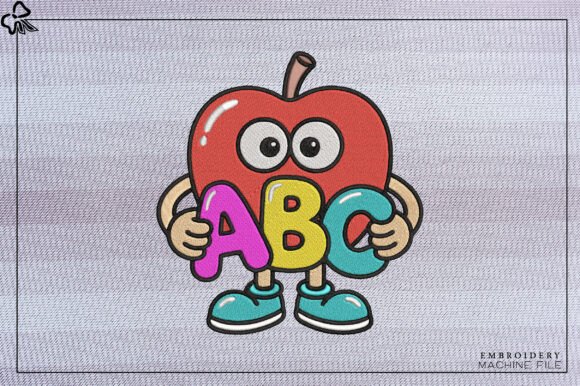
Kids ABC Apple Embroidery Design
First Impression: Bright, Friendly, and Instantly Recognizable
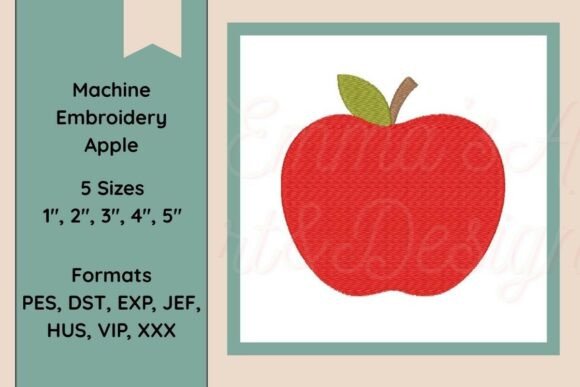
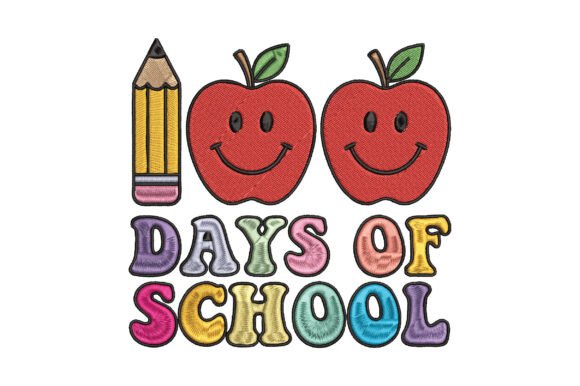
As an embroidery designer who’s prepped over 200 craft fair booths, my first thought when I see Kids ABC Apple Embroidery Design is: “This will stop parents in their tracks.” It reads bold and cheerful—not overly cutesy or cartoonish—striking that sweet spot between educational charm and handmade warmth. The “Back To School” energy is immediate: apple + alphabet = kindergarten readiness, teacher appreciation, and playful learning. It feels modern but not minimalist, friendly but not childish, and versatile enough to avoid seasonal expiration.
Where It Shines on Craft Fair Products
This design thrives where personality meets practicality. On a natural canvas tote bag? Perfect—centered above the pocket or scaled slightly larger on the front panel, it reads clearly from six feet away. As apron embroidery, it works beautifully on the chest pocket or lower bib area, adding a custom, teacher-ready touch without overwhelming the garment. For tea towel embroidery, place it near the top hem or corner—it holds up well against kitchen wear and adds instant charm to boutique kitchen displays.
Embroidered patches made from Kids ABC Apple Embroidery Design are standout craft fair products: sew-on or iron-on, they’re low-risk, high-margin items that appeal to teachers, homeschoolers, and gift shoppers. On fabric pouches and small pillow covers, the design scales down gracefully—especially if the lettering remains legible at 2.5–3 inches tall. And yes, it works on caps—but only with careful placement: center front (not curved crown) and with a medium-density stitch count to avoid puckering.
What Makes It Sell at Market Stalls—and Online
At a craft fair, Kids ABC Apple Embroidery Design earns attention because it tells a story in under two seconds: learning, care, and creativity. Buyers don’t need to read the tag—they recognize the apple + ABC combo as meaningful, especially in August and early September. That emotional shorthand translates directly to Etsy listings too: paired with a clean printable mockup, it performs strongly in search for “back to school embroidery,” “kindergarten gift,” and “teacher tote bag design.”
For Etsy sellers and small shop products, this design supports brand consistency across categories—same motif on a tea towel, patch, and pouch builds visual cohesion. It also lifts perceived value: customers associate clear, confident machine embroidery design work with quality craftsmanship, especially when thread colors pop against natural fabrics like linen-cotton blends or unbleached canvas.
Practical Production Notes Every Embroiderer Should Check
- Test before batch production: Run a sample on scrap fabric matching your final product—especially textured towels or thick denim. Stitch density matters here; dense fill areas around the apple stem or letter outlines may shift on loosely woven cloth.
- Thread contrast is non-negotiable: This design relies on readability. Avoid light yellow thread on cream fabric—or dark green on charcoal. Stick to high-contrast combos: red apple + white letters on navy, or forest green apple + crisp white letters on oatmeal linen.
- Hoop size and spacing matter: If the file includes multiple letters or a full apple-and-alphabet layout, confirm the widest version fits your standard hoop. Tight letter spacing can blur at smaller sizes—verify legibility at 2 inches tall before cutting patches or cap fronts.
- Stabilizer choice changes everything: Use cutaway for stretchy knits (like kids’ tees), tear-away for stable wovens (totes, tea towels), and lightweight fusible for patches. Skip stabilizer on stiff canvas—it’ll cause stiffness and distortion.
- Dark fabric demands extra care: Tiny details—like seed dots inside the apple or fine serifs on letters—can vanish on black or deep navy unless the file includes underlay stitches or increased satin density. Always check the digital embroidery file preview for those elements.
Design Limitations You’ll Notice in Real Life
Kids ABC Apple Embroidery Design isn’t built for micro-scale applications. Below 1.75 inches tall, the A–Z sequence blurs, and the apple’s leaf detail loses definition. It also struggles on highly curved surfaces—like the back curve of a baseball cap—unless simplified or re-digitized for that use case. And while it photographs beautifully on flat, well-lit fabric, avoid using it on heavily textured terry cloth or bouclé—those fibers swallow fine stitch lines.
Also note: if your version includes individual letters instead of a single apple-combo layout, ensure consistent sizing and kerning. Uneven spacing between A, B, C breaks rhythm and weakens the handmade product’s polish.
Final Thoughts for Creative Entrepreneurs
This isn’t just another embroidery file—it’s a ready-made conversation starter for your booth, a reliable bestseller for Back To School season, and a flexible anchor for your commercial embroidery line. When executed well—with smart fabric pairing, thoughtful placement, and tested thread choices—Kids ABC Apple Embroidery Design elevates even simple items into memorable handmade products.
Before launching, create at least one real-world mockup: embroider it on your most common tote fabric, photograph it in natural light, and compare how it looks beside your other top sellers. Does it hold its own? Does it invite touch? Does it feel cohesive with your shop’s voice? If yes—you’ve got a craft fair winner.
And always—always—confirm commercial licensing terms before selling finished products. Your reputation depends on respecting the creator’s rights, and savvy buyers notice ethical sourcing. With the right prep, Kids ABC Apple Embroidery Design becomes more than a pattern: it becomes part of your story.