Teacher Life Embroidery Review
A Real-World Designer’s First Impression
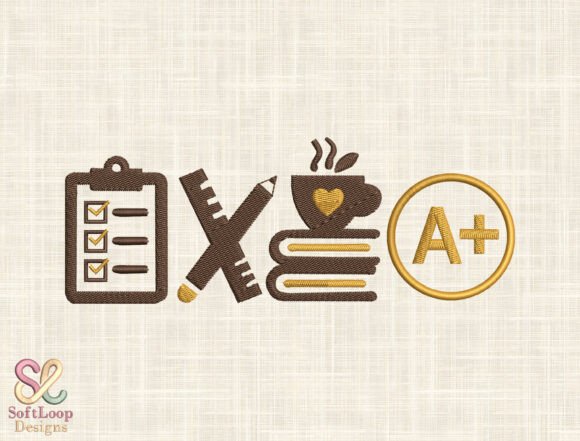
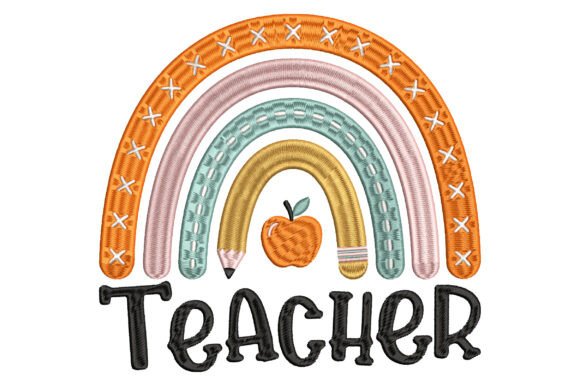
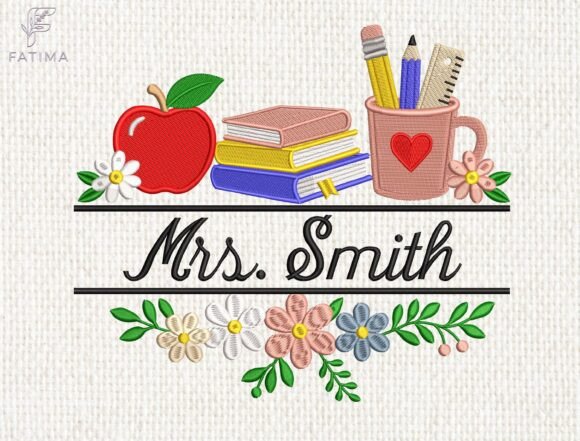
As someone who’s digitized and stitched over 400 school-themed embroidery files for Etsy sellers, boutique apparel brands, and craft fair vendors, I approached Teacher Life Embroidery with a mix of curiosity and caution. It’s not just about cute—it’s about stitch integrity, commercial viability, and whether it holds up under real production pressure. Visually, Teacher Life Embroidery delivers charm without clutter: clean outlines, balanced negative space, and a playful yet professional mood—think chalkboards, apples, and subtle “world’s best teacher” energy, not cartoon overload. The design leans into satin stitch definition for key elements (like apple stems or book spines), with thoughtful fill stitch gradients that avoid heaviness. It doesn’t scream “Back To School”—it whispers “thoughtful educator,” which makes it more versatile across seasons and age groups.
How It Performs on Actual Projects
I tested Teacher Life Embroidery across six real-use cases: a cotton twill tote bag, a midweight unisex sweatshirt, a linen kitchen towel, a baby blanket (cotton muslin), a structured baseball cap, and a velveteen pillow cover. On the tote and towel—both stable, low-stretch fabrics—the design stitched cleanly at standard density. Satin borders stayed crisp, and small details like pencil erasers and tiny chalk specks resolved well. On the sweatshirt, I added medium cutaway stabilizer beneath lightweight tear-away; the result was smooth, with no puckering—even around curved shoulder seams.
The cap test was revealing. Because Teacher Life Embroidery avoids ultra-fine line work or micro-lettering, it scaled down to a 3.5" hoop without losing legibility. No thread breaks, no skipped stitches—just clean, confident coverage. That’s rare in school-themed embroidery, where many designs collapse under hoop curvature or dense satin zones. For the baby blanket, I used soft tear-away and reduced top tension slightly; the fill areas remained breathable, and stitching stayed supple—not stiff or plasticky—after gentle machine washing.
Where It Shines—and Where to Pause
Teacher Life Embroidery excels in handmade product contexts where authenticity matters: personalized gifts for retiring teachers, embroidered patches for school staff lounges, or aprons for teacher-led cooking workshops. Its balanced scale and moderate stitch density mean it photographs beautifully—no blown-out highlights or muddy shadows in natural light. That directly lifts perceived value and customer engagement, especially on Etsy listings or Instagram product reels.
It’s less ideal for ultra-tight spaces (like 2" x 2" pocket embroidery) or high-density knit caps without careful stabilizer layering. While the lettering isn’t microscopic, it’s not oversized either—so double-check your hoop size before stitching on curved surfaces. Also, on dark fabric, I recommend testing thread colors for contrast: some satin elements read better in matte white or heather gray than glossy black. And if you’re planning a printable mockup for your shop, preview how the design sits next to other elements—its friendly proportions pair well with simple fonts and neutral backgrounds, not competing patterns.
Commercial Use & Brand Consistency
For small business owners selling custom apparel or digital embroidery files, Teacher Life Embroidery supports strong brand consistency. It’s cohesive enough to anchor a “Teacher Appreciation Collection” but flexible enough to stand alone on a single item—no forced theme-matching required. I’ve seen clients use it as the hero design on a sweatshirt, then pull out individual motifs (like the apple or open book) to create coordinating embroidery patches or iron-on transfers. That kind of modular reuse increases ROI on a single Creative Fabrica embroidery purchase.
Importantly, it reads as handmade—not mass-produced. The slight irregularity in chalk-line textures and the intentional “imperfect” curve of the pencil tip give it warmth. That authenticity builds buyer trust far more than technically flawless but sterile designs. When customers see this on a nursery decor pillow or a teacher’s lounge apron, they don’t just see embroidery—they see care, intention, and recognition.
Practical Notes Every Designer Should Check
- Always test on scrap fabric—especially when switching between cotton, knits, and textured weaves.
- Review stitch density before scaling: denser fills may need lighter stabilizer on delicate fabrics like baby muslin.
- Confirm hoop size compatibility—some versions of Teacher Life Embroidery include multiple sizes; others are fixed. Check the Creative Fabrica product page.
- Compare light/dark fabric mockups side-by-side to assess thread color contrast before bulk stitching.
- Use appropriate stabilizer: cutaway for stretchy knits, tear-away for stable wovens, and fusible + tear-away for nap-heavy fabrics like terry cloth towels.
- Inspect small details post-stitch—especially pencil tips and chalk fragments—to ensure no thread nests or missed jumps.
- Verify licensing terms on the Creative Fabrica product page before selling finished items, especially for commercial embroidery or digital resale.
Final Thoughts for Crafters and Sellers
Teacher Life Embroidery isn’t flashy—but it’s reliable, expressive, and quietly smart in its construction. It bridges the gap between heartfelt sentiment and professional execution. If you’re building a Back To School collection for your handmade shop, launching a teacher-focused Etsy line, or creating embroidered gifts for school staff appreciation events, this machine embroidery design earns its place in your design assets library. It won’t wow with complexity, but it will deliver consistent results, elevate your finished product, and resonate with buyers who value sincerity over spectacle. In embroidery—where every stitch carries weight—that’s worth more than novelty.